Description
Here’s what you need to know about Ligandrol and its impact on your health.
What is Ligandrol?
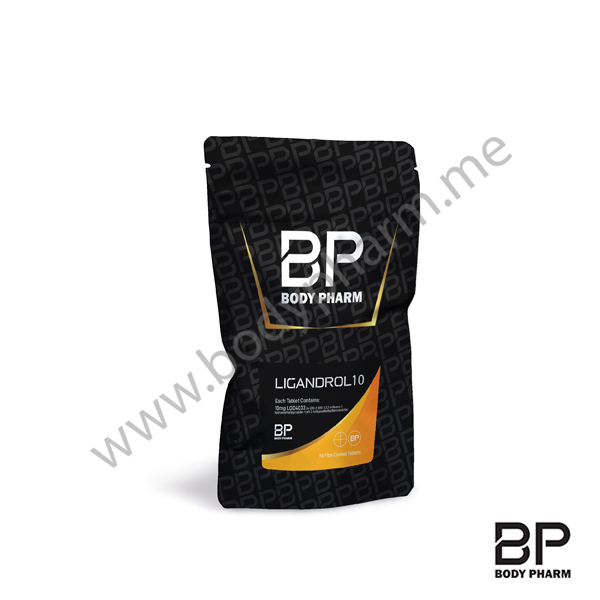
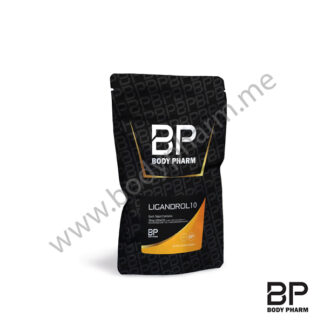
Ligandrol, LGD-4033, VK5211 or Anabolicum, belongs to a class of compounds known as selective androgen receptor modulators (SARMs). It has been studied as a treatment for muscle wasting in people with muscular dystrophy or osteoporosis, or those getting treated for cancer, because of its ability to increase muscle mass.
What are SARMS?
SARMs selectively bind to androgen receptors in specific tissues like muscle and bone, rather than the prostate or other androgen-sensitive organs, raising the possibility that they might increase muscle mass but avoid some of the negative effects of testosterone and other androgens. However, SARMs haven’t passed clinical trials or been approved for human use. The misconception that SARMs are safer alternatives to anabolic steroids contributes to their misuse. Studies so far have linked SARMs to serious health risks, shutdown of testosterone production, and their long-term effects remain unknown.
What’s the difference between steroids and SARMs?
Androgenic steroids (such as testosterone) and SARMs both work by interacting with androgen receptors in the body’s cells to alter cell function. However, SARMs bind to these receptors differently, leading to different effects on different tissues compared to traditional androgens. Some SARMs are designed to target specific tissues (like muscle) to produce beneficial effects (like treating muscle wasting) while avoiding unwanted effects in other areas, such as the prostate, where stimulation could increase cancer risk.
What are the benefits of Ligandrol?
Ligandrol increases muscle mass but there are also significant concerns about its unregulated use. Results of the first human clinical trial of LGD-4033 were published in 2013 and found that it increased lean body mass without serious adverse side effects in the short term. It also showed that the higher the dose of LGD-4033, the greater the decrease in the production of testosterone and other hormones, so there is evidence that it impacts your hormonal system. However, all hormone levels returned to baseline by day 56 after discontinuation.
In 2018, a clinical trial examined Ligandrol for people aged over 65 who were recovering from a hip fracture. The results showed that patients who took Ligandrol significantly increased their muscle mass and could walk further than patients not on the drug.
Because of these muscle-building effects, Lingandrol is misused, not only by elite athletes or bodybuilders, but blokes keen to change the way they look or recover from injuries. However, there haven’t been medium and long-term clinical trials on Ligandrol, so we don’t know whether it’s safe to use. Its use is not approved by Australia’s Therapeutic Goods Administration (TGA), the US Food and Drug Administration or the World Anti-Doping Agency.
What are the side effects of Ligandrol?
Several SARMS have been linked to serious health issues like heart attack, stroke and liver damage. A 2020 case report highlights one of these risks, documenting a 32-year-old man who developed severe drug-induced liver injury after using Ligandrol for muscle building. He took Ligandrol at a dose 10 to 100 times higher than what was administered in the 2013 clinical trial. Often, people using drugs like Ligandrol for image and performance-enhancing benefits take significantly higher doses than what would be used in a clinical setting.
People can become dependent on SARMs like Ligandrol and withdrawing can be incredibly tough. Not only will you lose some of the changes to your image and performance, but you’ll also experience symptoms of low testosterone. When taking LG-4033 in high doses, you’re overriding your body’s production of testosterone and when you stop, it takes your body weeks to months to get back to making its own testosterone.
Is it legal to buy in South Africa?
It is not a SAHPRA-registered medicine. All three actives fall under South Africa’s medicines-scheduling framework, and Ignite Muscles supplies it for research and educational purposes only. Any personal use should be discussed with a registered SA practitioner.





Reviews
There are no reviews yet.